
Barcelona feels like a city made for curious feet and slow discovery—sea breeze, modernist marvels, lively plazas, and hills to climb at your own pace. Below are a few sample rhythms you can adapt to your timing, energy, and weather, whether you’re here for a day, a weekend, or several relaxed days.
1) Classic highlights in one full day
Great when you want the essential Barcelona experience without feeling rushed.
-
Morning: Start with a taste of Gaudí’s world. Visit Park Güell first if you can—its mosaic terraces and sweeping city views are iconic, and the park itself is part of the UNESCO World Heritage recognition for Gaudí’s works. You’ll see how architecture, sculpture, and landscape mingle in a uniquely Barcelona style.
-
Midday: Head down toward Gràcia or Eixample for lunch—small squares, cafes, or tapas bars. If you’re near Eixample, you can catch glimpses of other modernist façades as you walk.
-
Afternoon: Make your way to La Sagrada Família or another Gaudí landmark, or simply roam a historic neighborhood like the Gothic Quarter. The city’s mix of very old streets and boldly modern design gives you choices: a grand basilica, narrow alleys, or design-rich avenues.
-
Evening: Finish by the waterfront or Barceloneta—a walk by the sea, a sunset view, and dinner near the beach. The city’s coastal energy is a calm, pleasant contrast to the morning’s art and architecture.
This single‑day outline balances a big, memorable site with slower neighborhood time and an easy evening by the sea, leaving room for coffee breaks, photos, or a quick museum stop if energy allows.
2) Two‑day deep dive: architecture, neighborhoods, and city views
Ideal when you have a bit more time and want to feel Barcelona’s layers.
-
Day 1:
-
Morning: Park Güell or another Gaudí site, then a relaxed walk through Gràcia or Eixample for lunch.
-
Afternoon: Visit La Sagrada Família or wander the Gothic Quarter at a slow pace—browse shops, plazas, and historic corners.
-
Evening: Dinner in a central neighborhood; perhaps a short stroll along Passeig de Gràcia to see illuminated façades or simply enjoy the city lights.
-
-
Day 2:
-
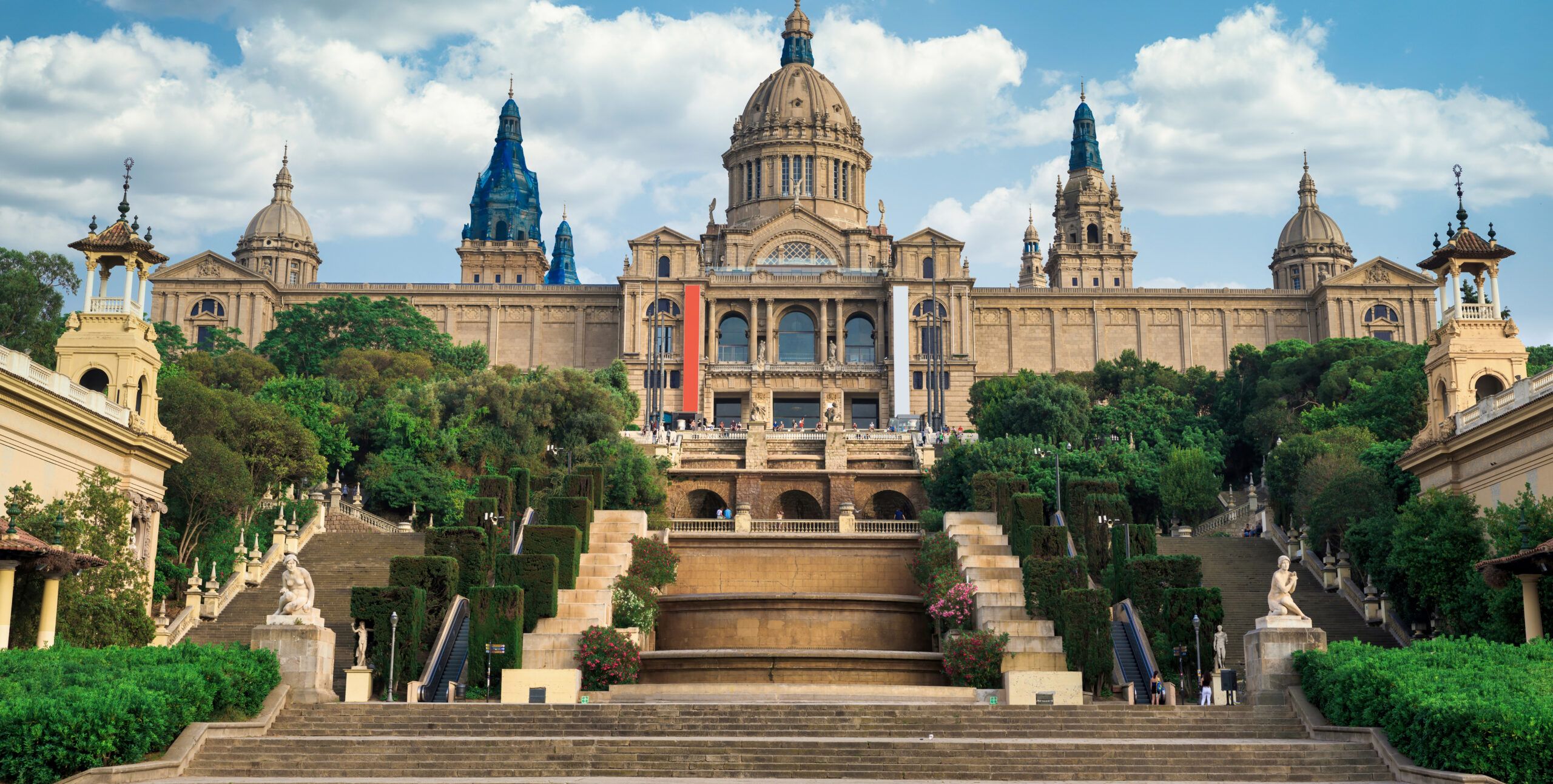
Morning: Choose a different angle—either a museum, a hill top like Montjuïc for views and gardens, or a longer coastal walk.
-
Lunch: Tapas or seafood by the water, or a market visit for local flavors.
-
Afternoon: Explore the sea‑side side more deeply, or spend hours in a park, a modern art space, or a lesser‑known neighborhood to feel the local rhythm.
-
Evening: Sunset from a hill, rooftop, or seaside; then slow, long dinner—Barcelona’s best moments often come from lingering rather than racing between sights.
-
Two days let you move from major landmarks to everyday streets without feeling like you must squeeze everything in. You can swap indoor and outdoor parts depending on weather, using hot or rainy hours for indoor art and cool, clear hours for plazas, parks, or waterfront.
3) Slow‑travel route: neighborhood rhythms and local culture
Perfect for travelers who want to live like locals—fewer destinations, more time in each place.
-
Day 1: Pick one neighborhood—Gràcia, Born, or Gothic Quarter—and stay within it. Walk, browse, café hop, and let the day unfold around that area alone.
-
Day 2: Spend the morning at a major site or park, then an afternoon in a quiet square or hilltop, reading, sketching, or people‑watching.
-
Day 3: Optional short excursion to a nearby town, a coastal walk, or a long meal that turns into an evening of conversation. You might also explore a small gallery, design shop, or cultural center, then return slowly through streets that catch your interest.
The key is pace—fewer stops, more lingering, and building the trip around your own curiosity, whether that’s architecture, art, food, or simply the street scene. Barcelona responds well to slow travel; you notice details in tiles, light, balconies, or greenery that hurry often misses.
Tips to personalize any route
-
Energy check: choose more walking only when you feel rested; use local transit, taxis, or short rides during hot hours or when you want a break between neighborhoods.
-
Weather swap: move outdoor stops like Park Güell or seaside walks to the clearest parts of the day, and save indoor or shady spots for midday heat or rain.
-
Food and breaks: plan at least one long meal or café pause each day—Barcelona’s best memories often come from lingering over food, drinks, or conversation.
-
Historical context: a brief intro to Gaudí’s legacy or the city’s modernist heritage can deepen your day. UNESCO’s description of Gaudí’s works highlights their exceptional creativity and cultural significance, which adds meaning to what you see.
With these sample routes, the aim isn’t to pack in every sight but to create a trip that feels truly yours—balanced, memorable, and paced to your interests in Barcelona’s bright, lively rhythm.