
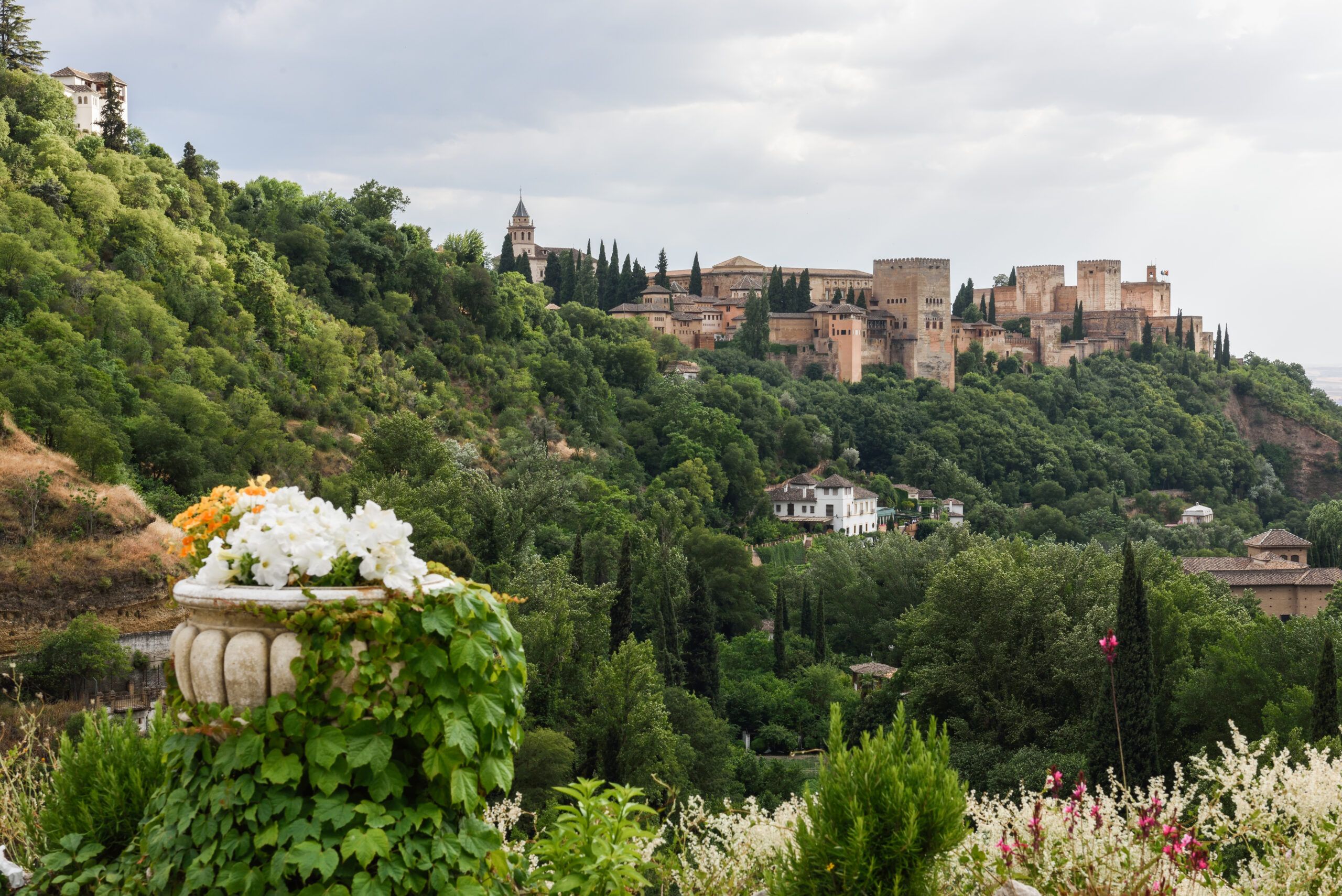
Granada unfolds on hills above the city and river, weaving historic palaces, peaceful gardens, and winding old‑town streets into a scenery that’s both dramatic and quietly livable. Below are a few sample rhythms you can adapt to your timing, energy, and weather—whether you’re in town for one day, a weekend, or several slow days.
1) Classic highlights in one full day
Perfect when you want the most memorable Granada snapshot without feeling rushed.
-
Morning: Start with the crown jewel: the Alhambra and Generalife. Aim for an early visit; official guidance shows the monumental complex opens for daytime visits starting at 8:30 a.m., with clearly stated seasonal closing times, and the Nasrid Palaces visit is tied to the time on your ticket. That structure helps you plan a straight, well‑timed morning.
-
If you want a quick, efficient route: the official recommended tour lasts about 2.5 hours over roughly 3.5 km, and suggests specific orders—Alcazaba, Palaces, then Generalife or variations on that sequence—for the most effective visit.
-
-
Midday: After descending from the Alhambra, walk or take a short ride toward the historic Albayzín district or a nearby café. The old quarter’s narrow streets, viewpoints, and local charm give you a gentle contrast to the palace grandeur. UNESCO emphasizes the complementary heritage of the Alhambra, Generalife, and Albayzín—medieval palatine city, gardens, and residential district—highlighting Granada’s layered history and the special harmony of its architecture and landscape.
-
Afternoon: Continue in the Albayzín or head to a quieter neighborhood. Pick one or two stops rather than many: a viewpoint over the city, a small museum, or a shaded plaza for coffee. Let the afternoon be about lingering, not racing.
-
Evening: Finish with dinner in a relaxed square or near the river area, or return to a viewpoint to watch city lights fill the hills. A single long meal, a slow walk, or time to simply people‑watch makes the day feel complete without adding another major stop.
This one‑day outline mixes Granada’s iconic site, a historic neighborhood, and calm evening time—balanced, memorable, and manageable even if the day is warm or busy.
2) Two‑day deep dive: heritage, neighborhoods, and relaxed discovery
Ideal when you have more time and want to feel the city’s layers without rushing.
-
Day 1:
-
Morning: Full Alhambra visit using the recommended flow; plan roughly 2–3 hours, then rest or snack before moving on.
-
Lunch: In Albayzín or a nearby neighborhood; choose a small, shaded square or terrace where the meal can stretch into a long pause.
-
Afternoon: Continue exploring Albayzín’s streets, viewpoints, or small cultural spots. Alternatively, venture toward Sacromonte or another historic quarter for views, local crafts, or a quiet stroll.
-
Evening: Quiet dinner in a less touristy corner; perhaps listen to distant evening sounds or watch sunset light on the hills rather than rushing to another attraction.
-
-
Day 2:
-
Morning: A second cultural stop—another palace area, a museum, or an arts space. If your first day felt full, keep this morning lighter and more flexible.
-
Lunch: Tapas, market fare, or a café in an area you saw briefly the day before. Let the meal be unhurried and social.
-
Afternoon: Slow walking around the lower town, riverside paths, or local markets. Sit in a plaza, read, sketch, or simply watch daily life. If weather is hot, choose shade or indoor spots; if clear, use that time for views or outdoor squares.
-
Evening: Sunset in a favorite place, then a final long dinner. Two days should feel immersive, not exhausting—pick fewer big stops and more time to soak in the settings.
-
Two days let you savior both the monumental heritage and the lived atmosphere—without feeling like a checklist.
3) Slow‑travel route: one neighborhood, long meals, and personal pace
Perfect for travelers who want to live like locals—fewer destinations, more time in each place.
-
Day 1: Choose a single district—Albayzín, the lower old town, or a quiet hillside area—and stay within it. Walk slowly, browse a shop or two, have coffee or tapas, and let the day unfold around that locale alone.
-
Day 2: Morning at a preferred site or viewpoint, then the rest of the day in slow mode: reading in a plaza, sitting in a garden, or watching people pass from a shaded bench.
-
Day 3 or beyond: Optional short excursion to nearby landscapes, small towns, or countryside—whatever matches your curiosity. Or simply another long meal and more wandering without a strict plan.
The key is pace: fewer stops, more lingering, and building each day around what feels interesting in the moment—food, architecture, people, or quiet views. Granada’s light, history, and hilltop settings reward that unhurried curiosity.
Tips to personalize any route
-
Energy check: choose more walking only when you feel rested; use taxis, short rides, or breaks during hotter parts of the day or after uphill walks.
-
Weather swap: schedule outdoor or hilltop stops for clearer or cooler hours; use indoor visits for midday heat or rain.
-
Food and breaks: plan at least one long meal or café pause per day—Granada’s best memories often come from lingering over food, drinks, or conversation in a small square or near a viewpoint.
-
Cultural context: a brief intro to the city’s unique heritage—especially the blend of Islamic and later influences seen in architecture, gardens, and urban layout—adds depth to any walk or visit. UNESCO’s recognition highlights these layers, showing why Granada feels both ancient and alive.
With these sample routes, the aim isn’t to see everything but to create a trip that feels truly yours—balanced, memorable, and paced to your interests amid Granada’s timeless hills, rich history, and open, welcoming rhythm.