
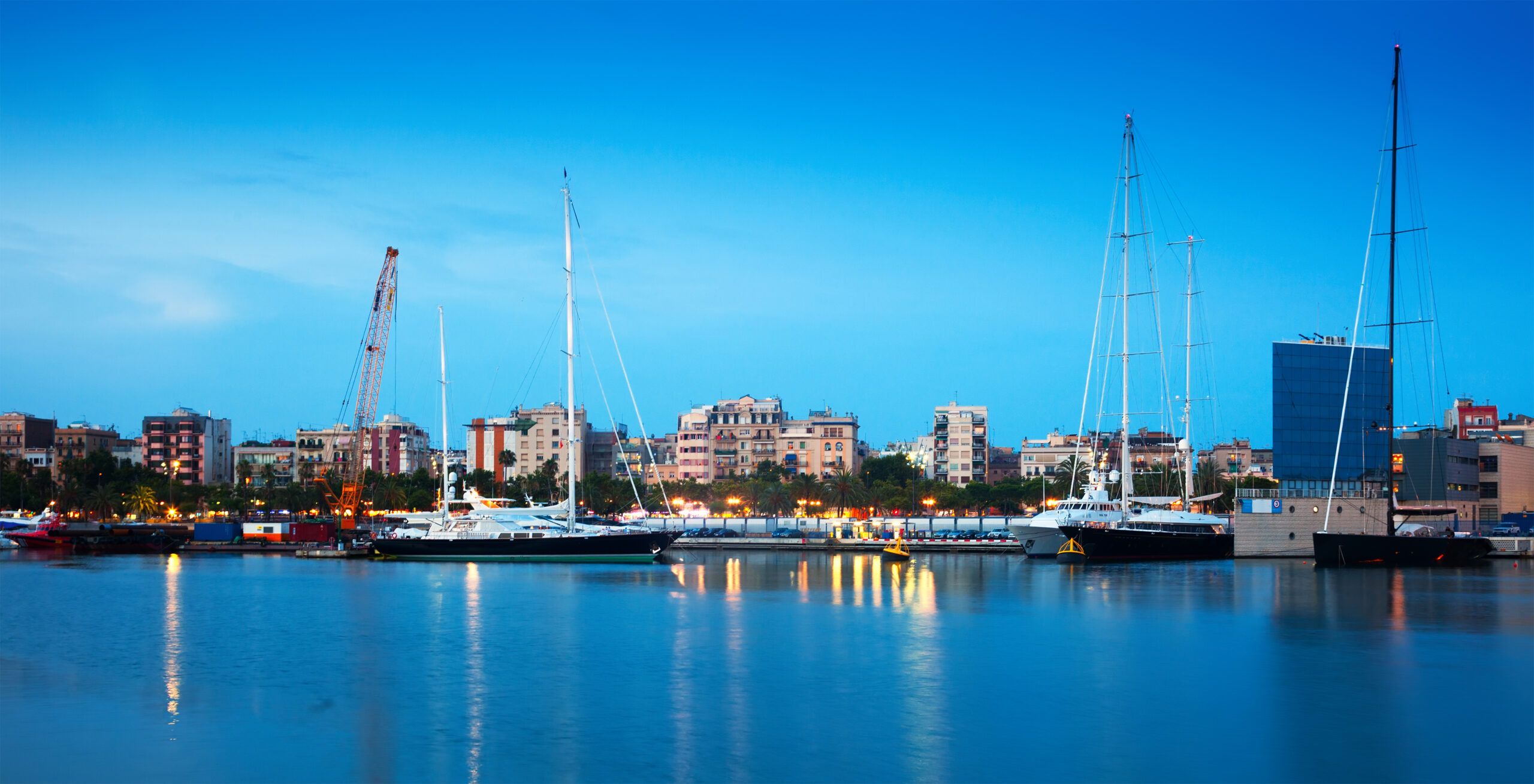
Málaga mixes sun‑lit streets, a historic hilltop, a lively port, and strong art and food scenes—great for travelers who want choice and gentle rhythm rather than a checklist. Below are a few sample rhythms you can adapt to your timing, energy, and weather, whether you’re in town for one day, a weekend, or several slow days.
1) Classic highlights in one full day
Perfect when you want the most memorable Málaga snapshot without feeling rushed.
-
Morning: Begin in the heart of the old town. Visit Málaga Cathedral first if possible—its long visit window and central location make it an easy anchor for the day. Current visitor hours extend well into the evening on weekdays, with slightly shorter weekend hours, which helps if your morning starts later. Spend time inside, then walk nearby streets for coffee or a quick snack.
-
Midday: Head toward the Alcazaba and Gibralfaro area. The Alcazaba’s summer and winter hours are clearly set, and it’s practical to plan the visit in the morning or early afternoon. Guidance from the site notes that a visit can take around 30 minutes to ideally 1.5 hours, and suggests spacing visits to the Alcazaba and the nearby Gibralfaro to avoid fatigue—handy advice for a warm day.
-
Afternoon: Enjoy the views from the hilltop area or wander back through historic streets toward the port. If you’re near the waterfront, a leisurely stroll, light meal, or gelato by the sea works well here—it’s a calm contrast to the morning’s architecture and uphill walk.
-
Evening: Finish by the marina or in a nearby neighborhood for dinner. Málaga’s coastal evening vibe is relaxed; you can pick a spot with sea views or a small plaza, sit for a long meal, and soak in the light as the day cools.
This single‑day outline mixes a major monument, panoramic views, and relaxed waterfront time, leaving space for breaks, photos, or a quick museum stop if energy allows.
2) Two‑day deep dive: heritage, art, and neighborhood life
Ideal when you have more time and want to feel the city’s layers without rushing.
-
Day 1:
-
Morning: Cathedral visit, followed by wandering the old town’s streets and plazas.
-
Lunch: Tapas or a menu‑del‑día in the historic center, stretching the meal into a relaxed pause.
-
Afternoon: Alcazaba, then maybe the adjacent Gibralfaro Castle—either in the early afternoon or swap to later to pace energy and avoid doing both back‑to‑back, following local guidance for a less tiring visit.
-
Evening: Return toward the port or a central neighborhood for dinner; choose a quiet square or a rooftop if available, keeping the pace gentle rather than packed.
-
-
Day 2:
-
Morning: Choose an art or cultural highlight—Museo Picasso Málaga is open daily from 10 a.m. to 6 p.m., giving you flexible mid‑morning to mid‑afternoon hours. Spend as long as you like inside, then take a break in a nearby café or plaza.
-
Lunch: Seafood or light fare near the waterfront, or a food market visit for local flavors.
-
Afternoon: Explore a second neighborhood or the harbor area more deeply; sit by the water, browse craft shops, or walk slowly through streets not seen the day before.
-
Evening: Sunset near the beach, a long meal, or a quiet evening drink—aim for lingering rather than another major stop.
-
Two days let you move from key landmarks to everyday streets without feeling like a sprint. Swap indoor and outdoor parts with weather: use hotter hours for indoor art or shade, insistent rain for a museum, and the clearest parts of the day for vistas or waterfront walks.
3) Slow‑travel route: neighborhood rhythms and nearby landscapes
Great for travelers who want to live like locals, with fewer stops and more time in each place.
-
Day 1: Choose a single zone—historic center, harbor, or a nearby residential area—and spend the day within it. Walk, browse, have coffee or tapas, and let the day unfold without a strict plan.
-
Day 2: Optional visit to a major site or park in the morning, then an afternoon set aside for sitting, reading, or watching local life—perhaps at a plaza or by the sea.
-
Day 3 or beyond: Consider a short excursion to a nearby cultural or natural landmark.
One excellent day‑trip idea that fits this slow‑travel ethos is Antequera and its UNESCO‑recognized dolmens and landscapes—not far from Málaga and uniquely memorable. UNESCO describes the Antequera Dolmens Site as a set of remarkable megalithic monuments from the Neolithic and Bronze Age, noted for exceptional architectural planning and integration with the natural landmarks around them. It offers a different kind of quiet, profound history that balances well with Málaga’s coastal and urban charm. A trip like this can be a full day on its own or a very meaningful half‑day if you start early and return by sunset.
The key with slow travel is pace—fewer destinations, more lingering, and building each day around food, art, people, or landscape, not a fixed list. Málaga’s light, sea, and history reward that kind of unhurried curiosity.
Tips to personalize any route
-
Energy check: add taxis, short rides, or breaks during hotter parts of the day or after uphill walking. The hilltop area is worth it but can feel tiring if done all at once.
-
Weather swap: schedule outdoor or hilltop stops for clearer, cooler hours; keep indoor visits for midday heat, strong sun, or rain.
-
Food and breaks: plan at least one long meal or café pause per day—some of the best memories come from lingering over food, drinks, or conversation in a small square or by the water.
-
Light and view: Málaga’s position by the sea and its historic hilltop offer beautiful light at different hours; consider a late afternoon or early‑evening viewpoint to feel the city’s calm as day turns to night.
With these sample routes, the aim isn’t to see everything but to create a trip that feels truly yours—balanced, memorable, and paced to your interests in Málaga’s bright, welcoming rhythm.